Published on 20 October 2026
Buying off plan in Kinshasa: how it works and what to check

Buying off plan in Kinshasa: how it works and what to check
Buying off plan in Kinshasa means reserving an apartment before it is built, or while it is being built. You choose your unit from plans and images, you sign a contract, then you pay as construction moves forward until you get the keys. It is the most common way to buy a new home in the city, and it is also the one that needs the most checks. This guide walks through each step, from the benefits to the documents to ask for, so you can reserve knowing the risks.
What buying off plan in Kinshasa means
Buying off plan means buying a property that does not exist yet, or not in full. When you sign, there is often a plot of land, a permit, architect's plans and sometimes a building site where work has already started. The apartment will be delivered later, on a date set in the contract.
In France, this is called VEFA (vente en l'état futur d'achèvement, or sale of a property to be completed). The term refers to French law: mandatory guarantees and a payment schedule set by law. These rules do not apply in the DRC. There is no Congolese law specific to off plan sales, and the OHADA Uniform Acts do not cover them either. In Kinshasa, an off plan sale falls under general contract law (Congolese Civil Code, book III) and under what the contract signed with the developer says.
This is why the checks before you reserve matter so much. A good contract and a serious developer make all the difference.
The steps of an off plan purchase, in order
Here is the typical path of a buyer, from the first visit to the handover of the keys.
- Choose the project: Compare residences, their location, their services and the developer's track record.
- Visit: The sales office, the plot or the building site, and if possible a building the same developer has already delivered.
- Choose your unit: Floor, orientation and size, based on your budget.
- Ask for the documents: Land title, permit, plans, technical description, draft contract.
- Have them checked: Give the documents and the contract to a notary or lawyer.
- Reserve and sign: Pay the agreed deposit and sign the contract.
- Pay according to the schedule: In line with progress on site, by bank transfer.
- Follow the works: Visits, photos, regular contact with the developer.
- Receive the apartment: Handover inspection, list of defects, handover of the keys and payment of the balance.
- Get the title: Sign the notarised deed of sale, pay the transfer duty, then have your right recorded by the Registrar of land titles (Conservateur des titres immobiliers).
Benefits: price, choice of unit, staged payments
Often a better price
In many projects, prices rise as construction moves forward: the first buyers take on part of the risk, and the developer takes this into account. Ask the sales team whether the price list changes as the works progress. According to Mbote (January 2026), new homes generally cost 15% to 30% more than resale homes in the same area. Buying off plan can sometimes reduce that gap.
Your choice of unit
When sales open, almost every unit is still available. You can choose the floor, the orientation, the view and the size of the apartment. By the end of construction, often only the units nobody wanted are left.
Staged payments
Buying off plan almost always comes with paying in several instalments: a deposit when you reserve, payments during the works, then the balance on delivery. At Safricode, the deposit is around 30%, with the balance spread out depending on the project. In a city where mortgages are still limited, this is a real advantage. For the details, read our guide Apartment payment plans in Kinshasa explained.
A new home, built to the project's standards
You receive a new apartment, with new electrical and plumbing systems, and the shared facilities planned from the design stage: backup power, water reserve, lifts, security.
Risks and how to reduce them
Buying off plan carries real risks. It is better to know them and reduce them than to ignore them.
| Risk | What can happen | How to reduce it |
|---|---|---|
| Late delivery | The keys arrive months after the planned date | A precise date and penalties written into the contract |
| Construction stops | The project stops for lack of funding | Choose a developer who has already delivered, visit the site |
| Gap with the project | Different size, finishes or equipment | Plans, sizes and list of finishes attached to the contract |
| Land problem | A dispute over who owns the land | Check the registration certificate with the Registrar before paying |
| Title problem | Difficulty getting the title in your name | Type of title and transfer procedure written into the contract |
The first filter is the developer's track record. A developer who has already delivered several buildings in Kinshasa has shown it knows how to finish a project. Safricode has completed 130 projects and has 30 under construction. Go and see buildings already delivered, talk to owners if you can, and compare what was promised with what was handed over.
Warning signs
Some signs should make you slow down, or even walk away:
- the seller refuses to show the land title or the building permit;
- you are asked to pay in cash, without a receipt, or into an account that is not in the company's name (foreign exchange rules also ban cash payments of $10,000 or more);
- the contract gives no delivery date and no penalties;
- the price is far below prices in the area, with no clear explanation;
- you are pushed to sign the same day, before anyone has read the contract;
- the developer cannot name a single building already delivered.
None of these signs proves fraud on its own, but each one deserves a written explanation before you pay. To learn how to assess a developer, read our article How to choose a property developer in Kinshasa, as well as our guide How to buy an apartment in Kinshasa.
Documents to ask for before you reserve
Before you pay any deposit, ask for the following documents. A serious developer shows them without difficulty.
- The land title: In the DRC, the land belongs to the State, and the right to use it (the concession) is only proven by a registration certificate (certificat d'enregistrement). Plot sheets, \"livret de logeur\" booklets or private sale agreements are not titles. Check whose name the certificate is in, then have the register (volume, folio), the holder and any recorded charges, such as a mortgage, checked with the Registrar of land titles.
- The building permit: Since 2022, it has been issued by the single permit office (Guichet unique de délivrance du permis de construire, GUPEC). It must match the project presented: number of floors, use of the building, address. It is valid for 3 years, renewable once.
- The apartment plans: With the size of each room and the total floor area.
- The technical description: Structure, materials, finishes, private and shared equipment.
- The provisional construction schedule: With the main stages and the planned delivery date.
- The draft contract: To read before you pay, not on the day you sign.
- Company information: Company name, registered office address, trade register number (RCCM) and national identification number.
Also ask which title you will receive for your unit: a registration certificate in your name, or a share recorded on the building's certificate. No published rule says that each apartment automatically gets its own certificate. Land rules were also amended by a law of December 2025, whose implementing texts are still being rolled out. Always have these documents checked by a notary or lawyer in Kinshasa before you reserve.
Contract terms: dates, penalties, guarantees
The contract is your main protection. Take the time to read it and have it reviewed. Here are the points that matter most.
The delivery date
The contract should give a clear delivery date, or a short period. A phrase like \"delivery planned during the year\" leaves too much room. Also check the cases where the developer can push back the date without a penalty, for example force majeure, and how those cases are defined.
Late penalties
A balanced contract sets penalties both ways: if the buyer pays late, and if the developer delivers late. Look at the amount, the start date and any cap on these penalties.
Guarantees
Ask which guarantees cover the apartment after delivery: finishing defects, plumbing or electrical problems, structural defects. Ask how long they last and how to make a claim. Safricode does not publish its guarantee terms online: ask the sales team for them in writing, on WhatsApp at +243 991 977 779 or at info@safricode.com, and have them attached to the contract.
Price and payment schedule
The total price should be fixed, with the currency stated. The schedule should say how much you pay, when, and at which stage of construction. Ideally, the balance is paid at the handover of the keys.
Transfer of ownership
The contract should explain when the apartment legally becomes yours, and how the title will be issued in your name. In the DRC, a transfer can only be recorded in the register on the basis of a notarised deed. You then pay the transfer duty, set at 3% of the appraised value, before the Registrar records your right. These points carry strong legal weight: have the contract reviewed by a notary or lawyer before you sign.
Following construction to handover
Once the contract is signed, your role does not stop. Following the works lets you check that construction is moving and that your payments match real stages.
Site visits
Ask how often you can visit the site, and under what safety conditions. If you live abroad, ask for dated photos or videos at each stage, or send someone you trust.
During a visit, do not only look at your future apartment. Watch the pace of the site: the number of workers present, the materials in stock, how clean the site is, safety. Compare real progress with the schedule you received at signing. If there is a gap, ask for an explanation and a new written schedule. Keep all this information in one file, with your payment receipts and your exchanges with the developer.
Stages to follow
The main stages are usually: foundations, structure, closing in the building, networks (electricity, plumbing), finishes, then shared facilities such as lifts, the pool or the generator.
Receiving the apartment
At delivery, do a full inspection before you sign the handover document. Check every room: doors, windows, sockets, taps, drains, air conditioning, tiles. Write down every defect, with photos, and ask for a date to fix it. Make sure the contract says the balance is only paid after this inspection.
After the keys
Think about what comes next too: transferring the title into your name, the building's service charges and its management, which we cover in Building charges and management in Kinshasa: who pays for what. If you are buying to rent out, our guide Buy to let in Kinshasa helps you check whether your project will pay off.
Frequently asked questions
Is it cheaper to buy off plan?
Often, yes, especially early in the sales period, when the developer is looking for its first buyers. Ask the developer whether its prices rise as construction progresses. The advantage also comes from staged payments, so you do not pay the full price at once. Always compare like with like, per m².
What if delivery is late?
It all depends on the contract, because no Congolese law specific to off plan sales sets penalties. A good contract sets a clear delivery date and penalties if the developer is late. Read this clause before you sign and have the contract checked by a notary or lawyer.
Can I visit the site?
Ask the sales team to arrange a guided visit, by appointment. Visits let you see the real progress of the works. If you are abroad, ask for dated photos and videos.
Which documents should I ask the developer for?
At a minimum, ask for the land registration certificate, the building permit, the apartment plans, the technical description, the construction schedule and the draft contract. Have the certificate checked with the Registrar of land titles, and the permit by a notary or lawyer. A serious developer provides these documents without difficulty.
See Safricode residences under construction
Buying off plan takes method: a developer who has already delivered, checked documents, a clear contract and regular follow up on site. Safricode has completed 130 projects and has 30 under construction. Its residences on sale have published delivery dates, for example La Brise Résidence in Limete (June 2027), Zenith Residence in La Gombe (March 2028), Éminence Towers in Ngaliema (November 2028) and L'Adresse in La Gombe (March 2029). The sales team welcomes you at its offices in Immeuble Le Prestige, La Gombe, to answer your questions.
See Safricode residences under construction on the Safricode home page, or contact our team:
Email: info@safricode.com
Sources
- Mbote, « Combien coûte un appartement à Kinshasa en 2026 », 25 January 2026: https://mbote.cd/lifestyle/combien-coute-un-appartement-a-kinshasa-en-2026/198297/
- Land law of 20 July 1973 (property, land and real estate regime): https://www.wipo.int/wipolex/en/legislation/details/7500
- Maître Nsolotshi, summary of Congolese land law (registration certificate, Registrar): https://www.leganet.be/Doctrine.textes/DroitCiv/Droitdesbiens/Droit%20foncier%20rdc.pdf
- Article 231 of the land law (authentic deed): https://www.memoireonline.com/01/14/8633/m_Procedure-d-acquisition-du-certificat-d-enregistrement-en-droit-positif-congolais20.html
- US Department of State, 2023 Investment Climate Statement, DRC (registration certificate): https://www.state.gov/reports/2023-investment-climate-statements/democratic-republic-of-the-congo
- Ministerial order no. 058 of 13 June 2022 on building permits (GUPEC): https://www.leganet.be/Legislation/Droit%20administratif/Urbanismevoiries/AM.058013.06.2022.html
- Ministry of Land Affairs, transfer fee table: https://affairesfoncieres.gouv.cd/
- ACP, land law of December 2025 promulgated, 1 January 2026: https://acp.cd/economie/regimes-des-biens-fonciers-immobiliers-et-de-surete-en-rdc-nouvelle-loi-promulguee/
- Central Bank of Congo, foreign exchange regulation of 25 March 2014: https://www.droitcongolais.info/files/662.03.14c-Banque-centrale_Reglementation-du-25-mars-2014.pdf
- Safricode, KBM Kolwezi article (off plan payment terms): https://www.safricode.com/actualite/details/5-safricode-participe-kbm-kolwezi
- Safricode, La Brise Résidence: https://www.safricode.com/projet/details/259-la-brise-residence
- Safricode, Zenith Residence: https://www.safricode.com/projet/details/479-zenith-residence
- Safricode, Éminence Towers: https://www.safricode.com/projet/details/437-eminence-towers
- Safricode, L'Adresse: https://www.safricode.com/projet/details/369-1-adresse
- Safricode, About: https://www.safricode.com/en/about
- Safricode, home page and residences on sale: https://www.safricode.com/en
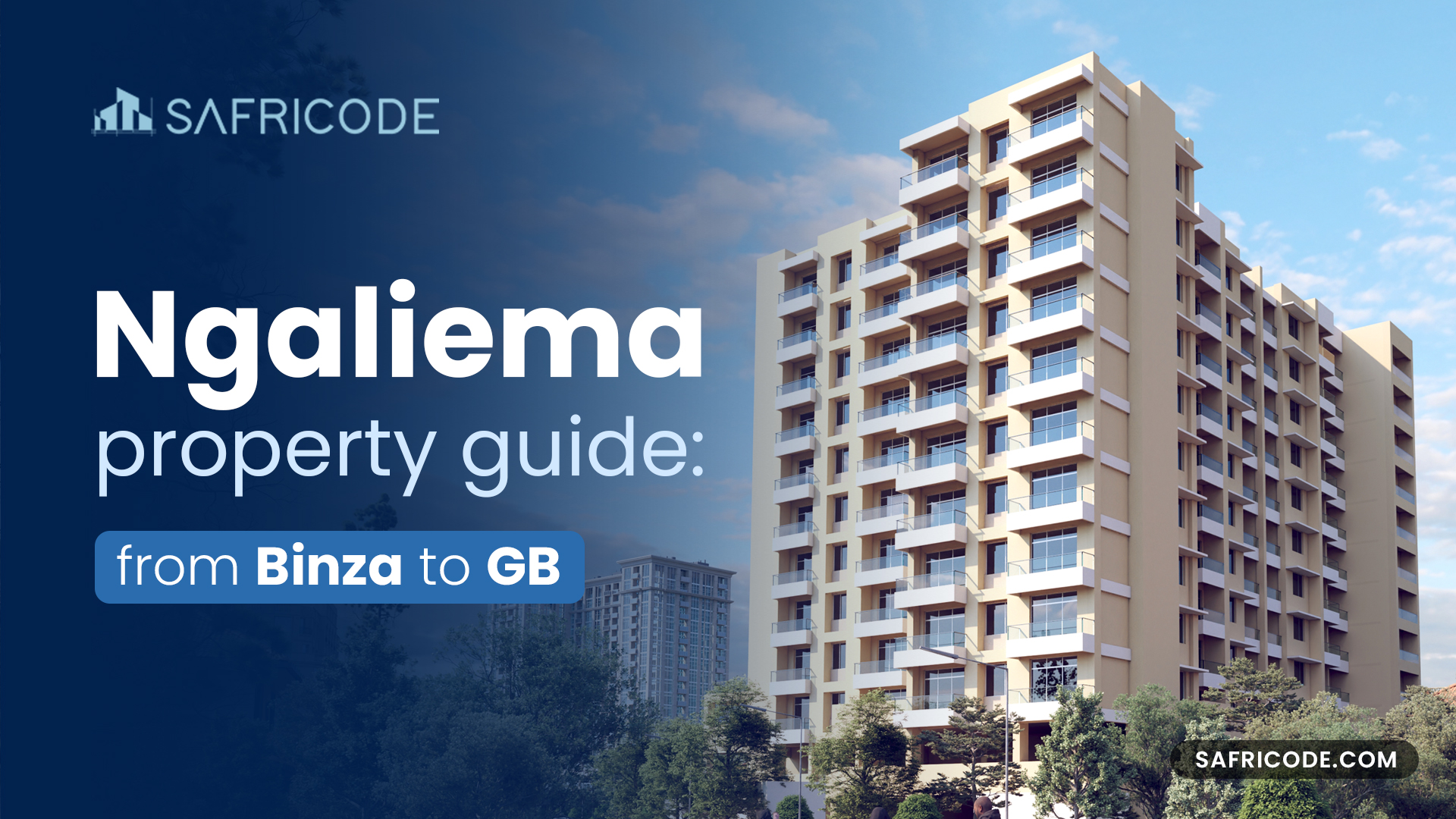
Real Estate Investment
Ngaliema property guide: from Binza to GB
Binza, GB, Ma Campagne, Mont Fleury: prices, lifestyle and new residences in Ngaliema. The area guide to buying or investing in Kinshasa in 2026.
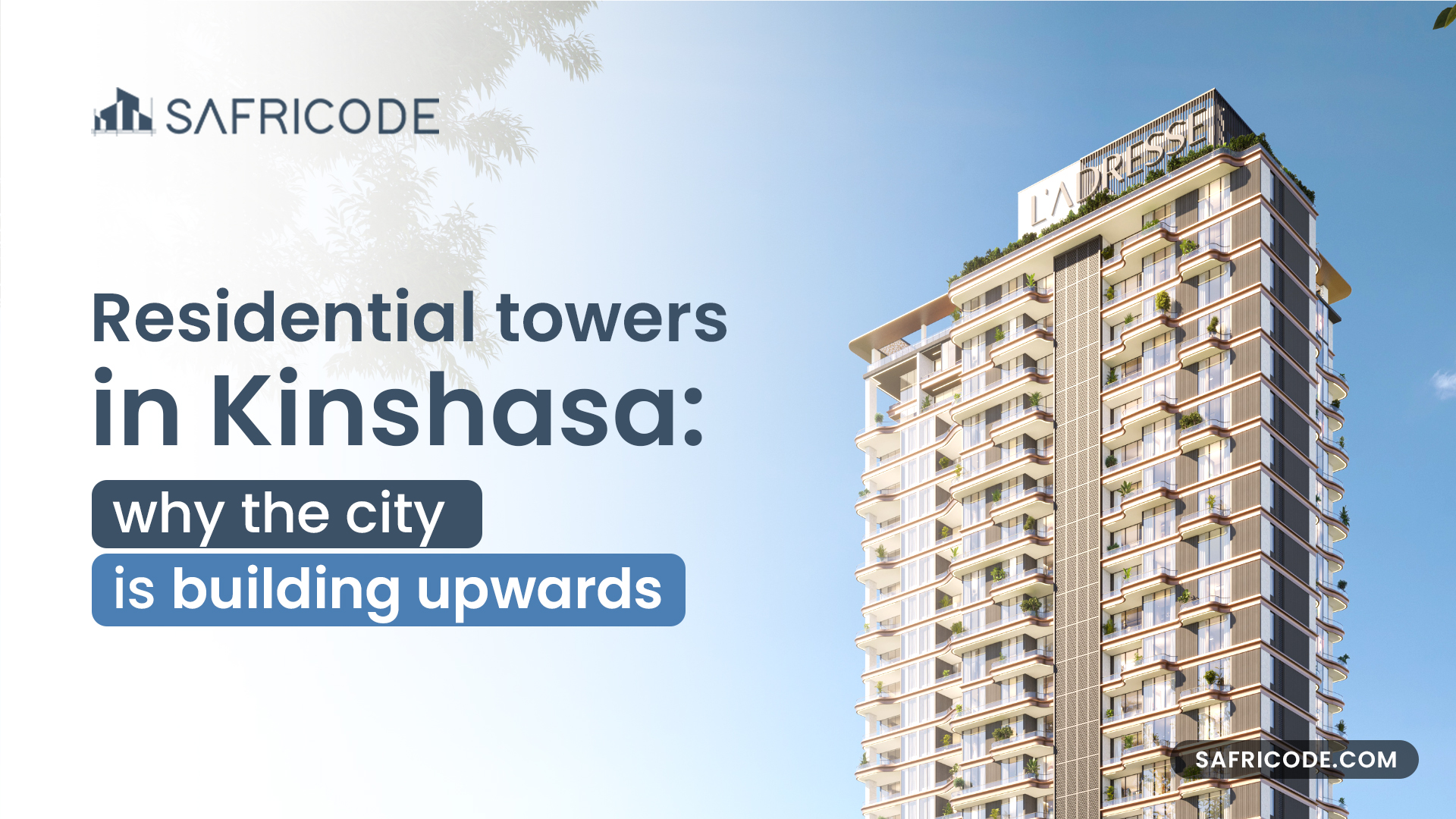
Real Estate Investment
Residential towers in Kinshasa: why the city is building upwards
Scarce land, security, river views: why residential towers are rising in Kinshasa, and what to check before you buy an apartment in one.

Real Estate Investment
Luxury apartments in Kinshasa: what high end really means
Views, finishes, backup power, security and services: how to tell a true luxury apartment in Kinshasa from a marketing label.
Real Estate Investment
Apartment payment plans in Kinshasa explained
What does an apartment in Kinshasa cost in 2026? Prices per m² by area, what new builds include, and buying costs, from a developer that builds them.
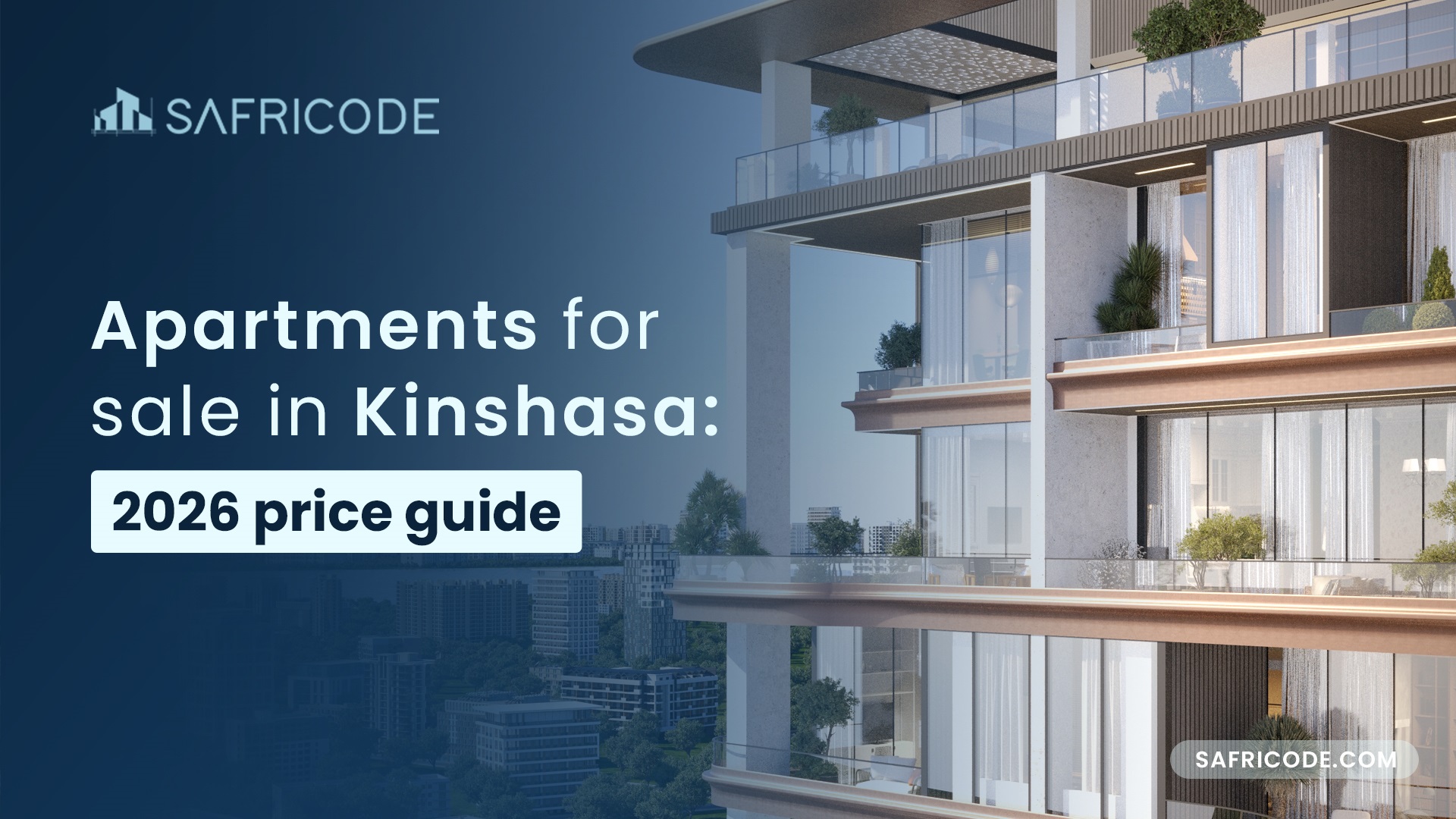
Real Estate Investment
Apartments for sale in Kinshasa: 2026 price guide
What does an apartment in Kinshasa cost in 2026? Prices per m² by area, what new builds include, and buying costs, from a developer that builds them.
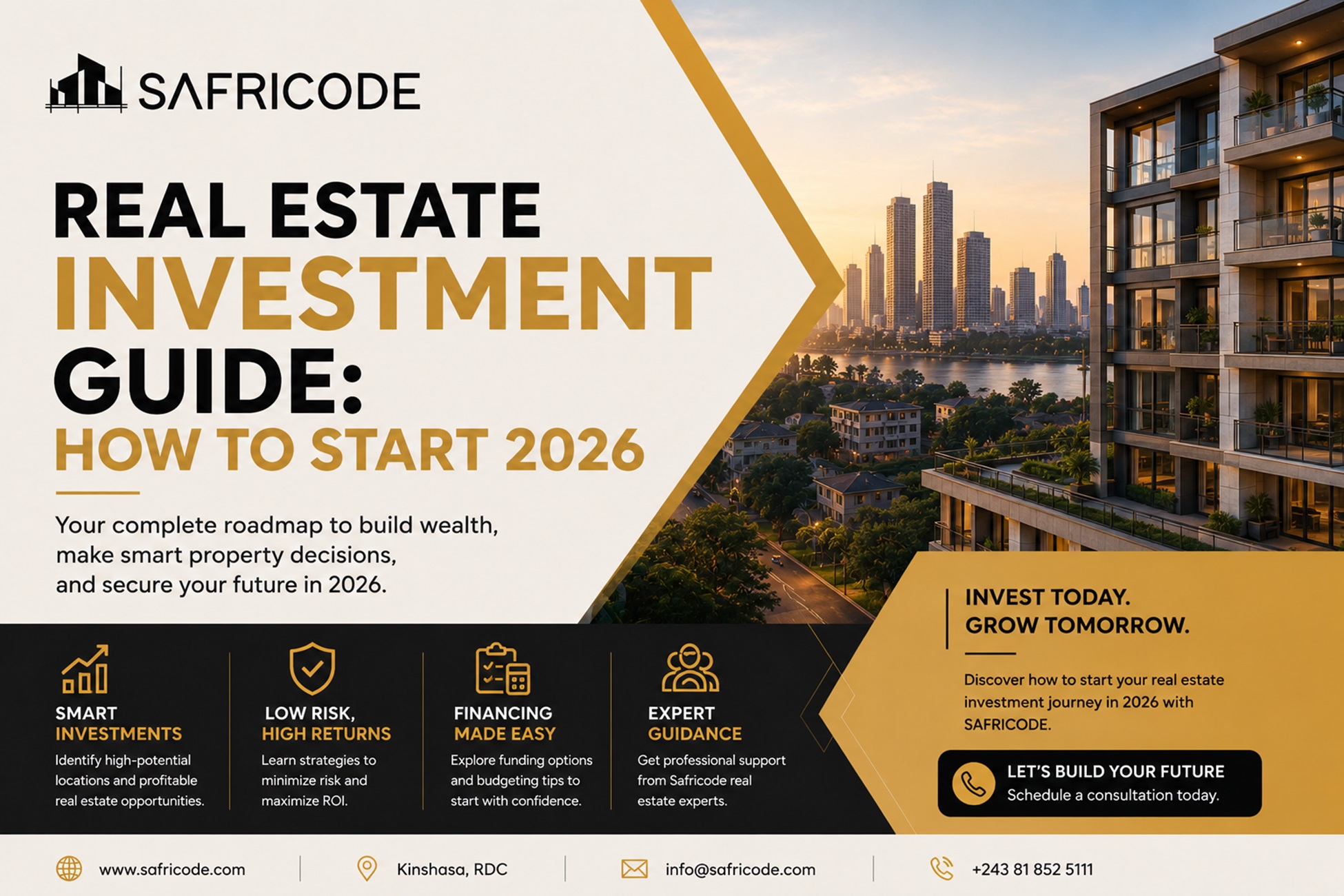
Real Estate Investment
Real Estate Investment Guide: Start Smart in 2026
Buying property can feel like a big leap, especially when you are spending savings you worked hard to build.

Real Estate Investment
How to Buy Apartment in Kinshasa Without Costly Surprises
If you are researching how to buy apartment property in Kinshasa, it is essential to start with verified facts rather than relying solely on polished listing photos.

Real Estate Investment
Safricode Kinshasa and Long-Term Property Value
Explore the benefits of investing in Safricode projects in Kinshasa and discover why Congo's growing real estate market attracts investors.

Real Estate Development
Why Safricode Leads as a Real Estate Developer in Kinshasa
Discover why SAFRICODE is a leading real estate developer in Kinshasa, with trusted residential and commercial projects built for long-term value.
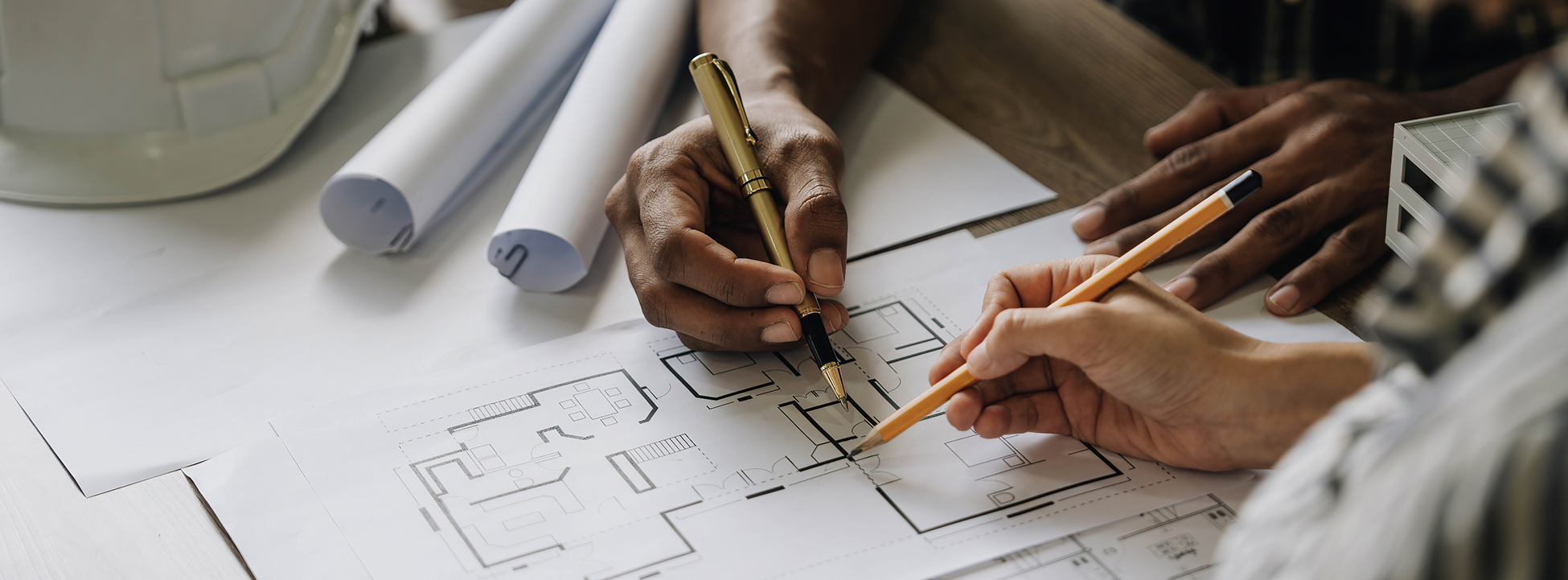
Trends
Current Construction Trends in Kinshasa
Kinshasa is emerging as a major hub of modern architecture in Africa. The latest trends in construction reflect a fusion of local culture with contemporary influences
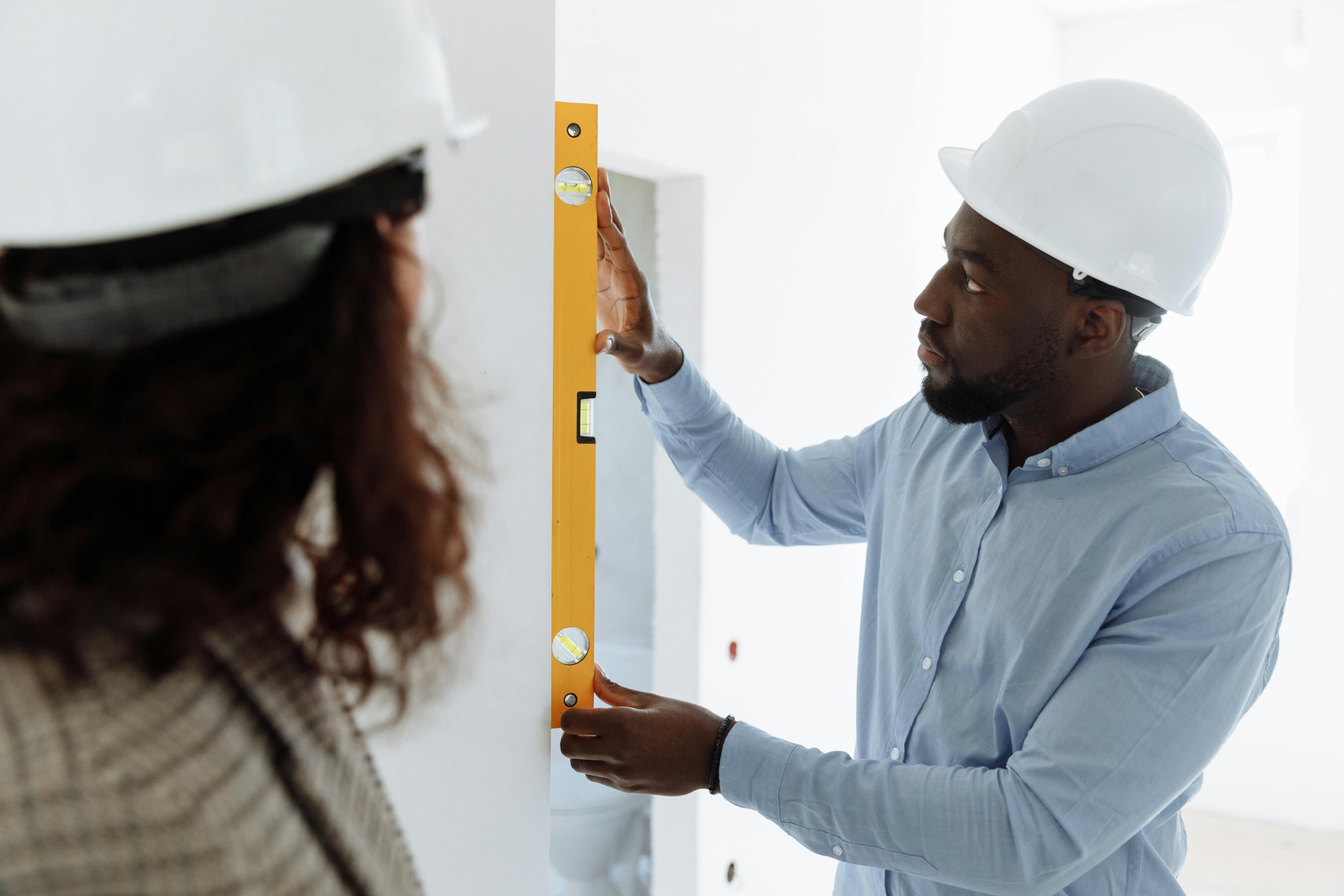
Guide
Guide To Maintaining Your Apartment In Kinshasa: Tips And Best Practices
Taking care of your apartment in Kinshasa is essential to ensure its good condition, safety, and preservation of its value. In this article, we

Guide
TIPS FOR A SUCCESSFUL MOVE TO KINSHASA
Moving to the bustling city of Kinshasa can be an exciting yet demanding experience. To help you plan and execute a smooth move, here are some

Investment
Investing in Real Estate in Kinshasa: Essential Tips for Success
Kinshasa, the dynamic capital of the Democratic Republic of Congo, offers a rapidly expanding real estate market, rich in investment opportunities.