Published on 27 July 2026
Real Estate Investment Guide: Start Smart in 2026
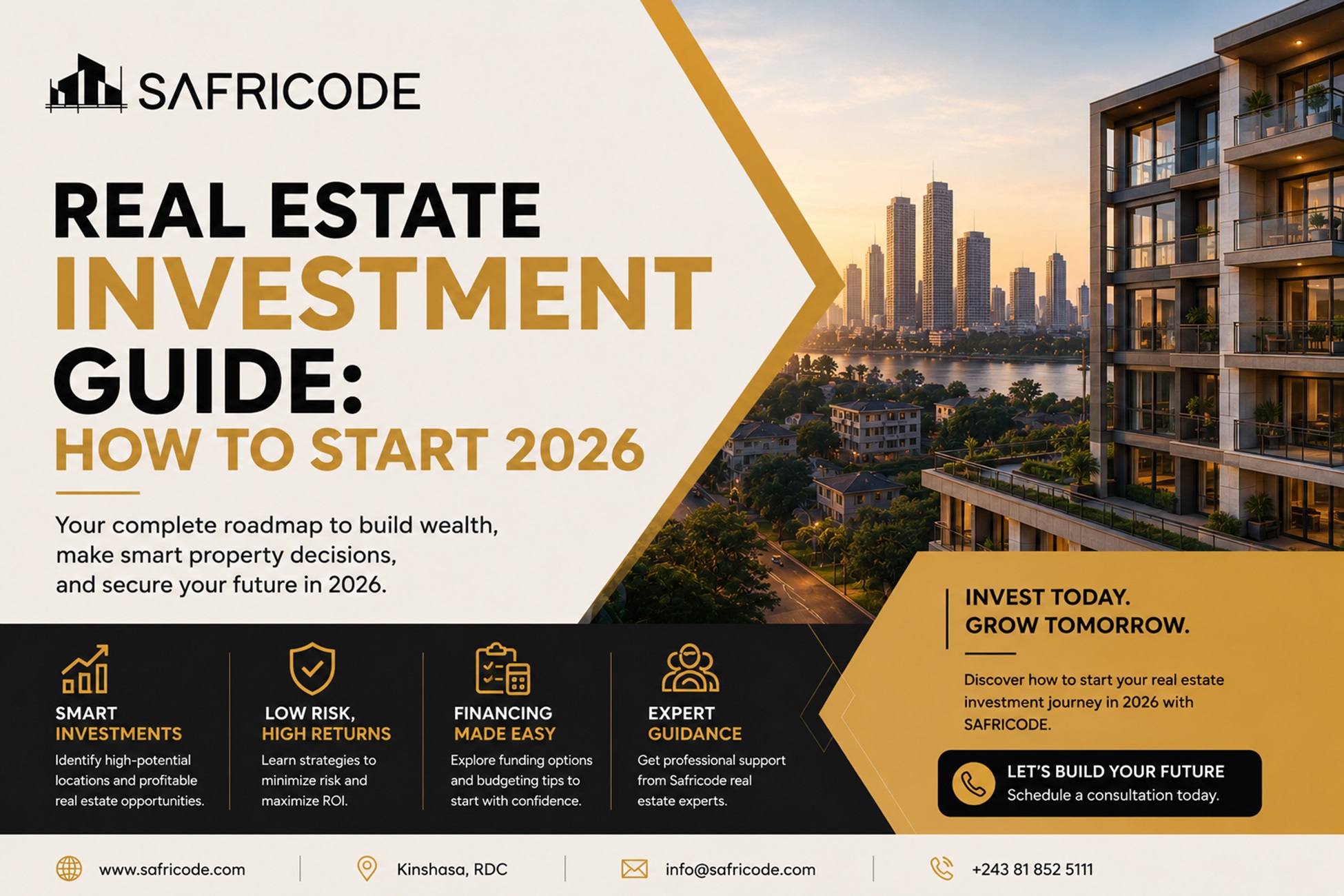
Buying property can feel like a big leap, especially when you are spending savings you worked hard to build. Yet with a clear plan, real estate investing can give you rental income, long-term value, and a more stable asset for your family or business.
This real estate investment guide is for first-time buyers, young professionals, diaspora investors, families, and foreign buyers interested in the DRC. Kinshasa's housing demand creates opportunities, but every property still needs research, legal checks, and a careful budget. Safricode Real estate local property team can help you review projects and make informed decisions before you commit.
Why Real Estate Remains a Strong Investment Choice in 2026
Yes, real estate can still be a good investment in 2026 if you buy where people want to live or work, use realistic numbers, and hold for the long term. It is not a quick-profit plan. Your return depends on location, property quality, tenant demand, costs, and timing.
A property can build wealth in two main ways. First, it may produce rent each month. Second, it may rise in value over time. Rental income can help cover ownership costs, while appreciation can build equity if you hold the property long enough.
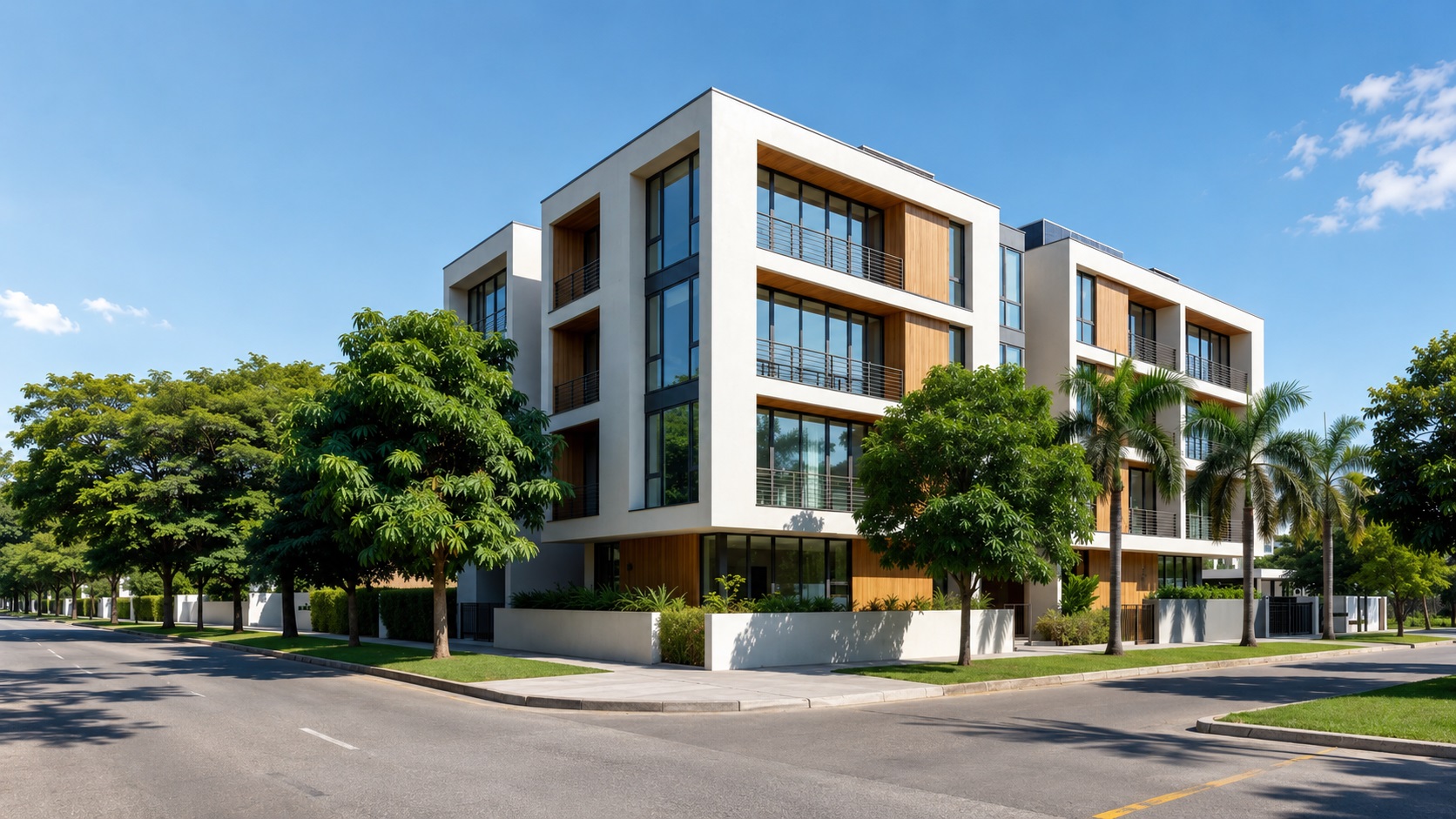
For example, a well-located apartment in Kinshasa may attract a steady tenant near offices, schools, or transport. While rent comes in, the property may also gain value as the area develops. Neither result is guaranteed, so you must test the numbers before you buy.
Property can also protect part of your wealth when living costs rise. Still, repairs, vacancy, taxes, and management can reduce returns. Focus on long-term value, not fast gains. For more local ideas, read Safricode's Kinshasa property investment tips.
How to Start Investing in Real Estate Without Guessing
A good real estate investment guide starts with your own situation, not a seller's sales pitch. Decide what you want, know what you can afford, then research before viewing properties.
Define Your Goal and Set a Safe Budget
Are you buying for rent, personal use, resale, or long-term family wealth? Each goal points to a different type of property. A rental apartment needs strong tenant demand. Land may suit a patient investor who can wait for future growth.
Your budget must include more than the purchase price. Add taxes, legal fees, repairs, insurance, management costs, maintenance, and periods without rent. Keep cash aside for surprises. A property should not leave you struggling to meet your monthly bills.
Compare Financing Options Before You Buy
You may use savings, a bank loan, a partner, or a tontine-style savings group. Borrowing can help you buy sooner, but high interest can turn a promising deal into a costly one.
Reported DRC bank loan rates can be high, so request current terms in writing. Compare the total interest, fees, repayment period, and currency risk. Do not judge a loan by its monthly payment alone. A smaller property with manageable payments is often safer than a larger one funded by excessive debt.
Research the Market and Verify the Property
Compare asking prices with actual rents in the same area. Check transport, utilities, security, nearby businesses, schools, and planned roads. In Kinshasa, also compare access during heavy rain, drainage, water supply, and backup power needs.
Before paying a deposit, confirm the original land registration certificate, notarized sale agreement, cadastral records, boundaries, permits, and construction quality. Diaspora and foreign investors should use trusted representatives and documented payment channels. Professional guidance through Safricode's real estate services can help you ask better questions before you sign.
Common Beginner Mistakes
- Buying because a property feels exciting or looks cheap.
- Skipping inspections and repair estimates.
- Ignoring legal fees, vacancy, and maintenance costs.
- Trusting unclear ownership documents.
- Taking on debt that strains your income.
Never make your first purchase until your budget, documents, and expected income have been reviewed.
Choose a Beginner Investment Strategy That Fits Your Money
Your first strategy should match your money, time, and risk comfort. The highest possible return is not always the right choice. The safer option is usually the one you understand, can afford, and can manage.
| Strategy | Possible benefit | Main risk | May suit |
|---|---|---|---|
| Residential rental | Regular rental income | Vacancy and repairs | First-time investors |
| Land | Future appreciation | No immediate cash flow | Patient buyers |
| Commercial property | Higher potential rent | Higher cost and tenant risk | Experienced investors |
| Off-plan property | Earlier entry price | Delays or delivery issues | Buyers who verify developers |
| REITs | Property exposure without direct management | Market price changes | Investors seeking liquidity |
Residential apartments can provide income sooner than land. Land may rise in value, but you still need to pay holding costs while you wait. Commercial property may bring stronger rent, yet it usually needs more capital and deeper market research.
Off-plan homes can offer an earlier price point. They also carry construction, delay, developer, and delivery risks. Review the contract, timeline, payment schedule, delivery terms, and developer record before you pay.
A beginner roadmap for real estate investing can also help you compare direct ownership with options such as REITs.
Use ROI and Rental Yield to Test the Numbers
Gross rental yield is annual rent divided by the purchase price. It gives you a quick first look. Net return on investment, or ROI, is more useful because it subtracts taxes, repairs, vacancy, management, financing, and other costs.
Test three versions of every deal: a conservative case, an expected case, and a difficult case. What happens if rent drops, a tenant leaves, or repairs cost more than planned?0
Choose one strategy before you start viewing properties. Your real estate investment guide should keep you focused when a tempting listing appears.
Why Kinshasa Real Estate Deserves a Closer Look
Kinshasa has growing housing needs, business activity, and outward urban expansion. These factors can support property demand, but each neighborhood performs differently. A good address for an executive rental may not work for a family apartment or a land purchase.
Gombe, Ngaliema, Kintambo, and Limete may appeal to investors seeking established demand and access to jobs or services. N'sele, Maluku, and Mont-Ngafula can offer growth potential, but they often involve more uncertainty about infrastructure, access, and timing.
Some local market reports describe rising land prices and rental yields in Kinshasa. For example, Kinshasa rental yield estimates show why investors should compare gross rent with full operating costs. Verify current prices, rents, and infrastructure plans yourself before acting.
Safricode Real estate company background includes experience since 2014 in residential, commercial, and mixed-use developments. The best location is the one that matches your strategy, budget, and tenant or buyer demand.
What to Check Before You Buy Property in Kinshasa
Use this checklist for local, diaspora, and foreign purchases:
- Road access, drainage, water, power, and security.
- Nearby jobs, schools, shops, transport, and tenant demand.
- Title records, permits, boundaries, and construction quality.
- Service charges, maintenance needs, and exit options.
- An accredited notary, local legal adviser, surveyor, and reputable property professional.
Avoid the Mistakes That Hurt First-Time Property Investors
A low price does not always mean a good deal. It may point to weak demand, missing documents, poor access, or expensive repairs. Avoid emotional purchases and do not rely on optimistic rent estimates.
Property is not automatic passive income. Tenants, repairs, taxes, insurance, and management still need attention. Borrowing too much can also turn one vacancy into a serious problem.
Pause when a seller pressures you to pay quickly. Use written numbers and verified documents to guide every decision in your real estate investment guide.
Get Local Guidance Before You Make Your First Investment
A local specialist can help you compare neighborhoods, review project details, arrange property visits, and prepare questions for your legal and financial advisers. That support matters when you live abroad or are buying in an unfamiliar part of Kinshasa.
Safricode Immobilier offers local project guidance, customer support, and a clear process for buyers exploring current opportunities. Ask for pricing, payment terms, delivery dates, ownership documents, and expected costs. You can speak with Safricode's property team before making your first move.
Real Estate Investment Guide FAQ for 2026
How Much Money Do You Need to Start Investing in Real Estate?
There is no single minimum amount. You need the down payment or full price, legal and registration costs, repairs, reserve funds, and financing costs. Start with a property you can afford, not one that matches another investor's budget.
Is Real Estate Still a Good Investment in 2026?
It can be, if you buy where demand is real, use conservative numbers, verify ownership, and plan to hold. Rental income and market growth are never guaranteed.
What Is the Best Strategy for a Beginner?
A simple, well-researched rental or buy-and-hold property is often easier to understand than a complex development. Your choice depends on capital, time, skills, risk tolerance, and cash flow needs.
Should You Invest in Apartments or Land?
Apartments may provide rental income earlier. Land often depends more on future appreciation and infrastructure. Compare title security, holding costs, demand, liquidity, and your timeline.
Why Invest in Kinshasa Real Estate?
Housing demand, population growth, business activity, and urban expansion make Kinshasa worth researching. Still, neighborhood selection and legal due diligence matter more than broad market claims.
Make Your First Property Decision With Care
This real estate investment guide can help you move from interest to careful action in 2026. Define your goal, set a safe budget, choose one strategy, research your target market, verify documents, calculate conservative returns, and plan for management.
Whether you are a first-time buyer, diaspora investor, or building a wider portfolio, book a property consultation with Safricode Real estate to discuss current opportunities. Make your next property decision with clear numbers, trusted documents, and a plan you can sustain.
Real Estate Investment
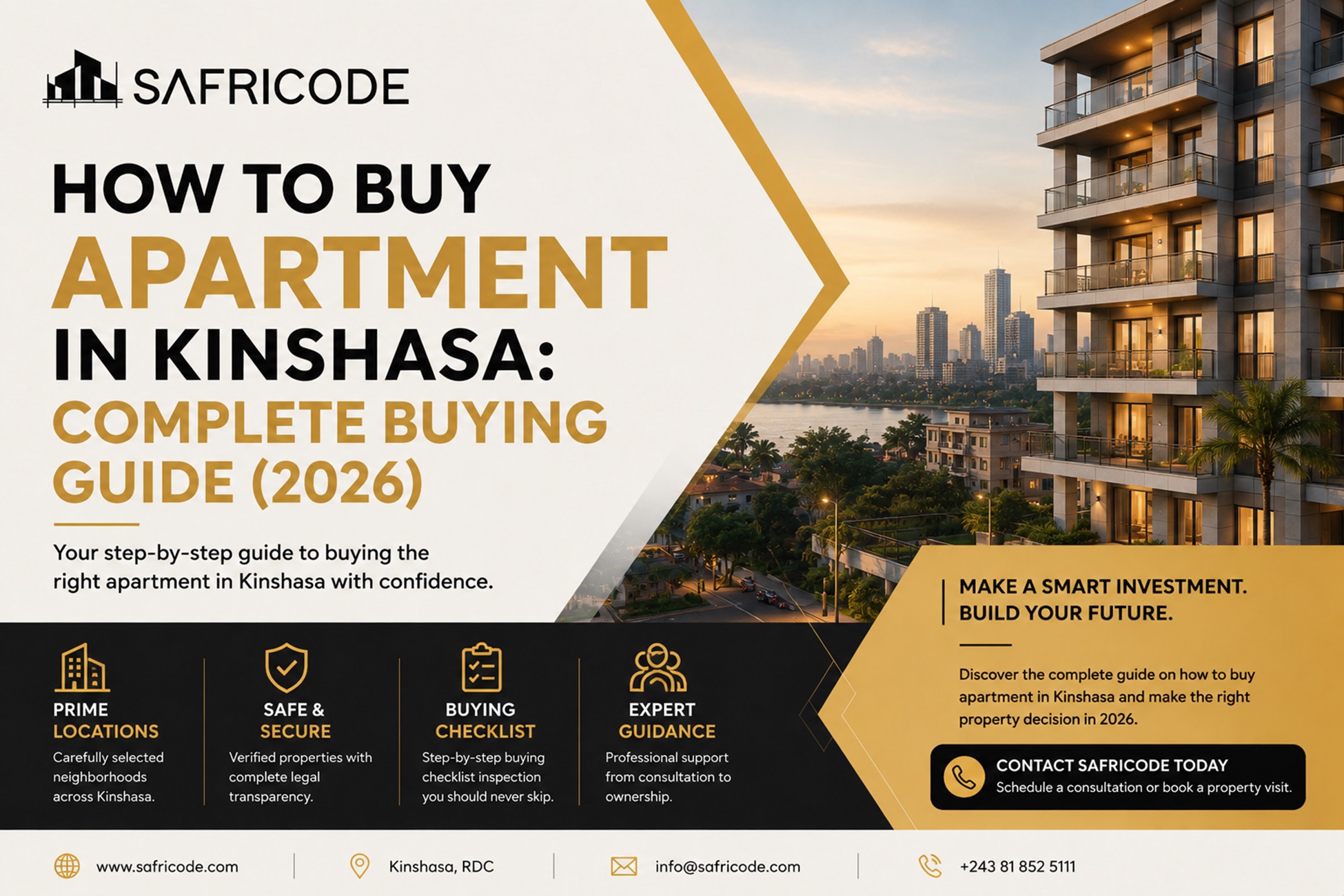
How to Buy Apartment in Kinshasa Without Costly Surprises
If you are researching how to buy apartment property in Kinshasa, it is essential to start with verified facts rather than relying solely on polished listing photos.

Real Estate Investment
Safricode Kinshasa and Long-Term Property Value
Explore the benefits of investing in Safricode projects in Kinshasa and discover why Congo's growing real estate market attracts investors.

Real Estate Development
Why Safricode Leads as a Real Estate Developer in Kinshasa
Discover why SAFRICODE is a leading real estate developer in Kinshasa, with trusted residential and commercial projects built for long-term value.
Trends
Current Construction Trends in Kinshasa
Kinshasa is emerging as a major hub of modern architecture in Africa. The latest trends in construction reflect a fusion of local culture with contemporary influences
Guide
Guide To Maintaining Your Apartment In Kinshasa: Tips And Best Practices
Taking care of your apartment in Kinshasa is essential to ensure its good condition, safety, and preservation of its value. In this article, we

Guide
TIPS FOR A SUCCESSFUL MOVE TO KINSHASA
Moving to the bustling city of Kinshasa can be an exciting yet demanding experience. To help you plan and execute a smooth move, here are some
Investment
Investing in Real Estate in Kinshasa: Essential Tips for Success
Kinshasa, the dynamic capital of the Democratic Republic of Congo, offers a rapidly expanding real estate market, rich in investment opportunities.